Japanese cars are tough. Still, even the most reliable Toyota, Honda, Subaru, Nissan, or Mazda can surprise you when maintenance slips. The tricky part is that breakdowns rarely happen out of nowhere. Instead, your car drops hints—small ones at first—then louder ones when it’s almost too late. If you want fewer “why today?” moments, it helps to know what to watch for and what to do next. This blog shares the most common warning signs you see people ignore, plus a few quick checks you can do today. And if you’re looking for Japanese car auto maintenance services in San Diego, CA, these tips will help you book at the right time, not the worst time.
1) Dashboard Lights That Don’t Go Away
A warning light is your car’s way of saying, “Hey, I need attention.” However, many drivers keep going because the car still feels normal. That’s risky, because some problems start small and get expensive fast.
What to Do Right Now
- If the light is flashing, stop driving if it’s safe to do so. Flashing often means “urgent.”
- If it’s steady, check your gas cap first because a loose cap can trigger a check-engine light.
- Meanwhile, note when it appears: after fueling, on cold starts, or only on hills.
Diagnostic code = a short error “clue” stored in the car’s computer. If you’re booking Japanese car auto maintenance services in San Diego, CA, ask for a scan and a quick visual inspection, because codes tell a story—but not the whole story.
2) New Noises You Can’t Unhear
Cars make “normal” sounds. Then one day, they don’t. Because Japanese cars are usually quiet when healthy, a new noise is often meaningful.
Here’s a simple way to narrow it down: When does it happen—starting, braking, turning, or cruising? That timing matters.
Quick noise cheat sheet
- Squeal when braking: worn brake pads or glazed rotors
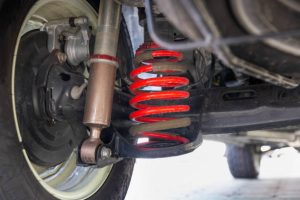
- Clunk over bumps: loose suspension parts
- Whine that rises with speed: bearings or transmission-related issues
- Ticking on startup: low oil level or oil that’s overdue
Instead of turning up the radio, write down what you hear and when you hear it. Therefore, the shop can diagnose faster, and you’ll avoid paying for guesswork. If you’re already searching for Japanese car auto maintenance services in San Diego, CA, bring that note with you—it’s oddly powerful.
3) Vibrations That Feel “Off.”
A slight vibration can be normal on rough roads. Even so, a new vibration, a growing one, or one happening on smooth pavement is your sign to investigate.
Start with the pattern:
- Only at 60–70 mph: wheel balance or tire issue
- When braking: warped rotors or worn brake components
- When accelerating: engine mounts, axles, or drivetrain wear
- At idle: misfire or mount problem
Also, check your tires first. Look for uneven wear, bulges, or low pressure. Meanwhile, don’t ignore steering wheel shake—it can mean your tires aren’t contacting the road evenly, which affects stopping distance. If it’s persistent, get it inspected soon, because vibrations often spread wear to other parts.
4) Fuel Economy Drops for No Clear Reason
If you’re filling up more often and nothing else has changed, your car is telling you something. However, you don’t need to be a mechanic to troubleshoot the basics.
Easy checks that can help today
- Check tire pressure (low pressure wastes fuel).
- Replace a dirty air filter if it’s overdue.
- Watch for “dragging” brakes (the car feels sluggish; wheels are unusually hot).
Misfire = the engine skips a beat, so it burns fuel less efficiently.
A gradual MPG drop often points to neglected filters, old spark plugs, or sensors that are drifting out of range. Therefore, a brief maintenance visit can restore mileage and prevent more serious issues later. If you’re comparing Japanese car auto maintenance services in San Diego, CA, ask if they follow mileage-based factory intervals (like 30K/60K/90K), because those schedules are built to prevent this exact creep.
5) Starting Feels Slow or Unreliable
A healthy car should start the same way almost every time. If it sometimes cranks longer, struggles after sitting, or needs a second try, pay attention.
Common causes include:
- Battery aging or weak charge
- Loose or corroded battery terminals
- Starter wear
- Fuel delivery issues
Here’s the tricky part: batteries can test “okay” one day and fail the next, especially during temperature swings. Also, modern cars draw power even when parked, so a weak battery shows up as an inconsistency first. If your car ever clicks but won’t crank, don’t keep trying over and over. Instead, get it checked before you’re stuck in a parking lot.
6) Leaks, Spots, And “New Smells.”
A spot under your car is like a text message you shouldn’t ignore. However, not all leaks look dramatic at first.
Quick ID guide
| What you notice | Often looks like | Usually points to |
| Brown/black spot | slick, dark | engine oil |
| Pink/red fluid | thin, bright | transmission fluid |
| Green/orange wetness | watery, sweet smell | coolant |
| Clear drip | watery | A/C condensation (often regular) |
Smells matter too. A sweet smell can suggest coolant, while a burning smell might mean oil on a hot surface or brakes dragging.
Because fluid levels protect major components, a small leak can quickly turn into a big repair. If you’re booking Japanese car auto maintenance services in San Diego, CA, ask for a fluid and hose inspection along with topping off or replacement, not just “wipe it and watch it.”
7) Brakes Feel Different Than Usual
Brakes don’t have to scream to be worn. Even so, your feet can feel the change before your ears do.
Watch for:
- The pedal feels soft or sinks more than usual
- The car pulls to one side while braking
- Grinding, squealing, or chirping
- The steering wheel shakes while braking
Brake fluid = hydraulic fluid that transfers your pedal pressure to the brakes.
If the pedal feels soft, don’t delay. However, if it’s only a light squeal, you still shouldn’t wait months—pads can go from “fine” to “metal-on-metal” faster than people think. Brake checks are a perfect “prevent the breakdown” visit, especially before long drives or heavy traffic weeks.
A Quick Maintenance Check You Can Do Today
If you want a simple routine, you can repeat it monthly. Here’s an easy checklist. It takes about 10 minutes, and it catches problems early.
Your 10-minute mini-check
- Look under the car for fresh spots or wet areas.
- Check tire pressure (use the driver-door sticker as your guide).
- Pop the hood and glance at fluid levels (oil, coolant reservoir).
- Listen at idle for roughness, ticking, or surging RPMs.
- Test lights and wipers because visibility is safety, not comfort.
- Note your mileage so you know when you’re near factory intervals (30K/60K/90K).
If anything seems new or confusing, schedule an inspection. This is also where Japanese car auto maintenance services in San Diego, CA make life easier: a good shop will tell you what matters now, what can wait, and why.
Catch It Early, Drive Happier
The best maintenance is the kind you barely notice—because it prevents the trouble. If your dashboard light won’t quit, your car sounds different, your fuel economy dips, or you see a new leak, don’t wait for the problem to “prove itself.” Instead, treat those signs like early warnings, because they usually are. A short visit now can save you from towing later and keep your car feeling like the reliable machine you bought it to be. If you want a friendly team to look things over, reach out to Japanese Car Masters, who provide solid help when you need it.