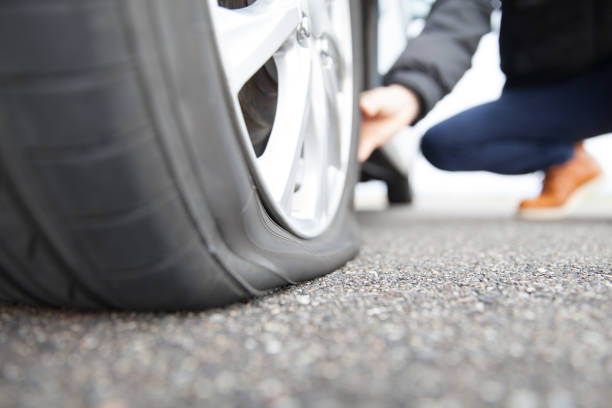
Run-flat tires sound like a stress-free upgrade. After all, they’re built to keep you moving even after a puncture. Still, many drivers of Toyota, Honda, Lexus, Acura, and Nissan ask the same thing: can you repair them safely, or should you replace them every time? In this blog, we’ll break it down in real-life terms—especially if you’re searching for Japanese car auto wheel and tire repair services in San Diego, CA, and want to protect your car, your budget, and your safety.
Why Run-Flats Feel Tough, But Still Need Care
Run-flat tires are not magic tires—they’re simply built differently. Instead of soft sidewalls that collapse when air drops, run-flats have reinforced sidewalls designed to carry the car’s weight for a short distance. Because of that, the tire can look fine from the outside even when the inside is damaged. That’s why safety matters so much.
Also, Japanese cars often have tighter suspension tuning and sensitive steering feel, especially on newer models and hybrids. So, even a small tire issue can show up as vibration, pulling, or uneven wear. In other words, the real risk is not just the puncture—it’s the hidden damage you can’t see. Therefore, a careful inspection is the first step before anyone says repair or replace.
Some Run-Flats Can Be Repaired, But Only in Specific Cases
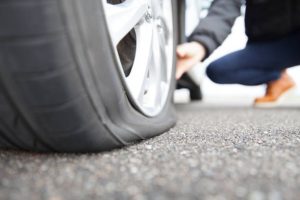
Yes, a run-flat tire can be repaired sometimes. However, the rules are stricter than with regular tires. That’s because driving on low air can crush internal layers, even if the tread looks okay. So, before a shop patch anything, the tire should be removed and checked from the inside.
A repair is usually considered safer when:
- The puncture is in the tread area, not the shoulder or sidewall
- The hole is small like a nail or screw, not a tear
- The tire was not driven too far with low pressure
- There’s no internal crumbling, heat rings, or sidewall bruising
On the other hand, if the sidewall is damaged, repairs are a no-go. Likewise, if the tire ran flat for too long, replacing it is often the smarter move. That’s why Japanese car auto wheel and tire repair services in San Diego, CA, should focus on inspection first, not quick fixes.
WhatMakes Japanese Cars a Little Different from Run-Flats
Run-flats don’t just affect tires—they affect the way your whole car feels. Many Japanese vehicles rely on balanced handling and smooth ride quality. When a run-flat is damaged, the tire can become stiff in odd spots or slightly out of round. As a result, you might feel shaking at highway speeds, even after a simple plug.
In addition, Japanese cars commonly use TPMS (tire pressure monitoring) systems that are very sensitive. So, if the pressure drops and the car is driven anyway, the tire may overheat inside. That heat can weaken the inner liner and belts, which is hard to spot without removing the tire.
If you’re comparing options, Japanese car auto wheel and tire repair services in San Diego, CA, you should also check related issues like wheel balance, alignment signs, and rim condition—because one small puncture can turn into bigger wear problems if ignored.
Repair Vs. Replace: A Quick Table to Make the Choice Easier
It’s normal to want the cheaper option. Still, safety comes first. So, here’s a simple comparison to help you decide without guesswork:
| Situation | Repair Usually Safe? | Why It Matters |
| Nail in the center tread, minimal air loss | Yes | Damage is often limited, and a patch plug can seal well |
| Puncture near the shoulder | Usually no | Shoulder flex creates weakness and risk of failure |
| Sidewall puncture or bubble | No | Sidewalls can’t be safely patched |
| Driven far on low or zero pressure | Often no | Internal heat and crushing can ruin the tire invisibly |
Even with this table, the best call comes after an inside inspection. Therefore, don’t let anyone decide just by looking at the outside.
How a Careful Shop Checks a Run-Flat Before Repairing It
A safe repair process is not rushed. First, the tire needs to come off the wheel. Then, the inside must be inspected for heat damage, torn cords, or crumbling rubber. After that, the puncture area should be cleaned and sealed the right way—usually with a combination patch and plug, not a basic string plug.
Here’s what a safety-first inspection often includes:
- Checking the inside liner for scuffs, powdering, or burn marks
- Looking for sidewall wrinkles that signal the tire carried weight without air
- Measuring tread depth to confirm the tire still has usable life
- Inspecting the wheel for bends or cracks that could cause slow leaks
- Confirming TPMS condition and proper air pressure reset
This is exactly why many drivers look for Japanese car auto wheel and tire repair services in San Diego, CA, that take the time to diagnose first. After all, a fast repair that fails later is not a bargain.
Smart Driving Tips to Keep Run-Flats Safe and Lasting Longer
Run-flats can be a big help, especially when you’re far from a shop. Still, the way you react after a puncture makes a huge difference. So, if your TPMS light comes on, treat it like a real warning, not a suggestion.
To protect your tire, do this:
- Slow down right away and avoid hard turns
- Drive only as far as needed to reach a safe place
- Don’t push highway speeds just to get home
- Check pressure as soon as possible
- Get the tire inspected the same day, if you can
Meanwhile, don’t forget that uneven wear can also shorten run-flat life. Therefore, regular rotations and proper inflation matter even more with these stiffer tires.
Don’t Gamble with Your Tires
Run-flat tires on Japanese cars can sometimes be repaired, yes. However, safe repair depends on where the puncture is, how far you drove, and what the inside looks like. So, if you want real peace of mind, skip the guesswork and get a proper inspection from people who work on Japanese vehicles every day.
If your run-flat is leaking, vibrating, or just doesn’t feel right, call Japanese Car Masters today and get it checked the safe way. Your car deserves expert care, and your family deserves a safer ride. Book your visit now with us.