If you’ve paid for suspension work and the clunks came back, you’re not alone. Rough roads can undo “good enough” repairs fast. The fix usually isn’t one magic part. It’s a mix of driving habits, the right parts, and a few simple checks that stop small wear from turning into big bills. If you rely on Japanese car auto steering and suspension repair services in San Diego CA ,this blog will help you get repairs that actually stay fixed—especially when your daily route looks more like a patchwork than pavement.
Catch the Small Signs Before They Snowball
Suspension parts rarely fail all at once. Instead, they loosen slowly—then one pothole finishes the job. Therefore, your best money move is noticing the early hints.
Listen and feel for:
- New clunks over small bumps
- Steering that pulls left or right
- A “bounce” after speed bumps
- Uneven tire wear (one edge looks chewed up)
A 3-Minute Driveway Check (Do This Today)
Meanwhile, you can spot problems without tools:
- Push down hard on each corner. If it bounces twice, shocks/struts may be weak.
- Turn the wheel fully left and right while parked. Listen for clicks or groans.
- Look behind each tire for wet spots. Leaks can mean a failing component.
If you’re using Japanese car auto steering and suspension repair services in San Diego, CA, bring these notes. It speeds up diagnosis and avoids “guess-and-replace.”
Slow Down, But Do It the Smart Way
Yes, slowing down helps. However, how you slow down matters just as much. Hard braking into a pothole loads the front suspension like a hammer. Instead, brake earlier, then roll over the rough spot with a lighter pedal.
Try this on dangerous streets:
- Scan farther ahead, not just the car in front
- Leave more space so you can avoid sudden moves
- Coast over broken patches when safe
- Take speed bumps at an angle only if your lane allows it
Also, don’t “hop” curbs when parking. That single crunch can tweak alignment and start a repeat-repair cycle.
Keep Tires and Alignment Working Together
Suspension and tires are teammates. If the tires are wrong, the suspension works overtime. Because of that, many “bad strut” complaints are really tire pressure or alignment problems.
Here’s a quick comparison that saves a lot of guessing:
| What You Notice | The Most Common Cause | Quick Action |
| Inner/outer edge tire wear | Alignment off | Get an alignment check |
| Steering wheel shakes at 55–70 mph | Wheel balance or bent rim | Balance + inspect rims |
| Car wanders in crosswinds | Low tire pressure or worn parts | Set pressure, then inspect |
| One tire looks “cupped.” | Weak shocks/struts | Inspect dampers soon |
Also, rotate tires on schedule. Uneven tires can make a fresh suspension feel “still broken,” even when it isn’t. And if you want Japanese car auto steering and suspension repair services in San Diego, CA, to last, ask for a before/after alignment printout. It’s a simple proof point.
Pick Parts That Match Your Roads
This is where repeat repairs often start. A cheap part might fit, but it may not handle rough roads for long. Even so, “expensive” isn’t the goal either—correctness is the goal.
OEM means the same type of part that the car maker used originally. Aftermarket means another brand made it.
Real-world tips:
- For daily rough roads, prioritize durability over “sport” stiffness
- Replace in pairs when it makes sense (both front struts, both rear shocks)
- Don’t mix ultra-cheap parts with premium parts on the same axle
If you’re booking Japanese car auto steering and suspension repair services in San Diego, CA, ask what brand/grade they’re using and why. A quick chat here can save you a second visit later.
Don’t Ignore Bushings, Links, And Mounts
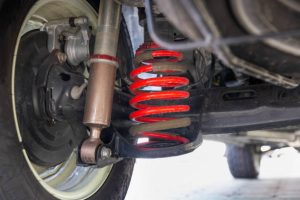
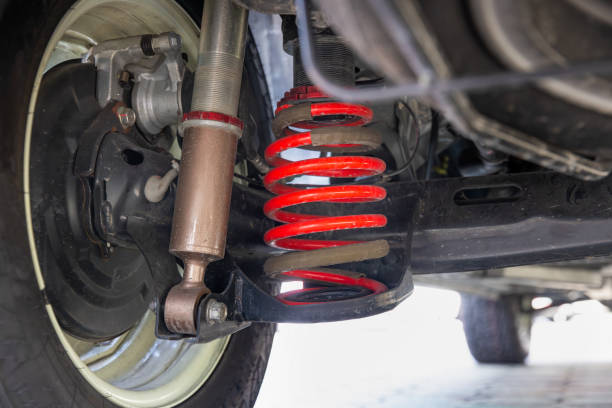
Big parts get the attention. Meanwhile, small parts take the beating. Worn bushings, sway bar links, and strut mounts can cause the same noise as “bad struts,” so people replace the wrong thing—then the clunk returns.
Watch for:
- Clunking mostly at low speed
- Creaking when turning into driveways
- A dull knock when braking
Also, hardware matters. If bolts aren’t torqued correctly, parts can shift. That’s not rare after fast installs. Therefore, when something is replaced, it’s smart to inspect the surrounding “support pieces” at the same time.
Beat Corrosion and Leaks Before They Spread
San Diego is easy on cars in some ways, but it has its own wear patterns. Salt air can speed up corrosion, and bumpy streets plus hills can stress suspension parts.
Easy protection steps:
- Rinse the wheel wells if you live near the coast
- Fix power steering fluid leaks quickly because low fluid can damage the pump
- Don’t ignore torn boots on joints—once dirt gets in, wear speeds up fast
- Ask for an undercarriage visual check during oil changes
Because corrosion often attacks bolts and mounting points, a small leak or rust spot can turn a simple repair into a bigger one later.
Make Sure the Repair is Built to Last
The goal isn’t “new parts.” It’s a correct diagnosis, correct installation, and correct verification. That’s how you avoid the frustrating loop of repeat repairs.
A solid suspension visit should include:
- A road test plus a visual inspection
- Clear explanation of what’s worn, ideally showing the part
- Quality components installed the right way
- Alignment and handling are checked before you pick up
That step-by-step approach is called out by Japanese Car Masters with digital checks, test-drive verification, alignment and handling checks, and yes, Japanese car auto steering and suspension repair services in San Diego, CA, are worth asking for if you want the work done right the first time.
Your “After Repair” Routine (First 2 Weeks)
Also, do these quick follow-ups:
- Recheck tire pressure weekly
- Listen for new noises on the same roads
- If anything feels off, return early—small tweaks are easier than big re-dos
Keep Rough Roads from Winning
Rough roads don’t care what you just replaced. However, you can stack the odds in your favor. Catch early symptoms, drive with less impact, keep tires and alignment in sync, and don’t skip the small support parts. Then make sure every repair ends with a real verification drive and alignment check. If you want a friendly shop that will explain things and help you choose what actually matters, reach out to Japanese Car Masters for practical help when your ride starts feeling off.